
How to Seal Your Driveway the Right Way (And What to Fix Before You Do)
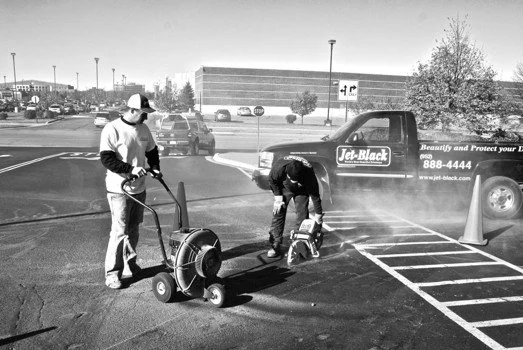
Before you think about how to seal your driveway, there is one question you need to answer first: Is your driveway actually ready to be sealed?
This is the step most homeowners skip, and it is the one that makes the biggest difference in how long the sealcoat holds up.
Check your apron first.
The apron is the section of your driveway where it meets the garage or street. This area takes the most stress and is usually the first to sink, crack, or separate. Sealing over a damaged apron does not fix the underlying problem. It covers it temporarily, and then the sealer cracks right along with the surface beneath it.
If your apron has sunken, heaved, or crumbled, driveway apron repair needs to happen before sealing. This might mean a saw-cut repair, a partial replacement, or a full apron overlay, depending on how far the damage has gone.
Then assess the rest of the surface.
Look for:
● Active cracking (hairline cracks, alligator cracking, or structural gaps)
● Potholes or depressions
● Crumbling edges
● Oil staining
Crackfilling handles most moderate crack issues. Patchwork addresses more serious damage. Sealcoating goes on last, as protection for a surface that has already been properly prepared.
What the sealing step itself involves:
Once the surface is ready, professional sealcoating uses industrial-grade material that bonds to the asphalt and protects against UV damage, water penetration, and surface wear. One coat is applied by hand or squeegee and allowed to cure for 24 to 48 hours.
The right order is always: repair first, seal second. Skipping the repair step is the single most common reason homeowners end up resealing every year instead of every two to three years.
Request a free Jet-Black quote, including driveway apron repair.