
How Long Does It Take for Sealcoating to Dry?
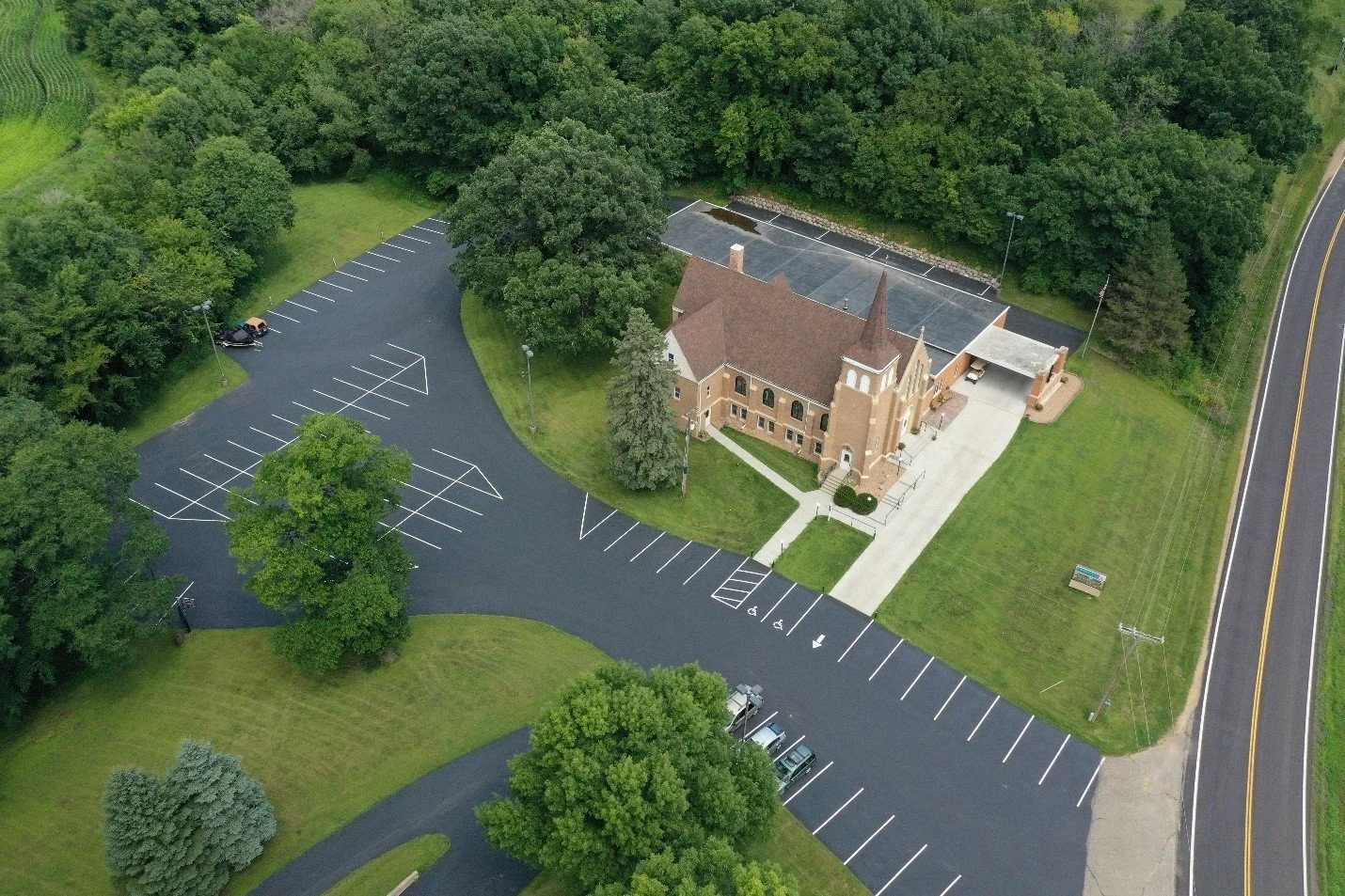
If you are asking how long does it take sealcoating to dry, the practical answer is this: driveway sealant may dry to the touch in 3 to 4 hours, but full curing can take 24 to 48 hours, depending on temperature, humidity, shade, airflow, and the condition of the asphalt.
For most homeowners, that means keeping vehicles off the driveway until the surface has fully cured and hardened. Walking may be possible sooner, but driving too early can leave tire marks, scuffs, or tracking, especially in humid weather or shaded areas.
Jet-Black's local teams will give drying guidance based on your actual driveway and weather conditions. That local judgment matters because fresh sealant does not dry the same way on every property.
Dry to the Touch vs. Fully Cured
One of the biggest misunderstandings about sealcoating is the difference between "dry" and "ready for traffic."
Dry to the touch means the surface no longer feels wet on top. It may look finished, and you may be able to step on it lightly. Fully cured means the sealant has hardened enough to handle normal driveway use.
Those are not the same milestones.
If a contractor tells you that you can drive on fresh sealcoat almost immediately, slow down and ask questions. Rushing the cure time can damage the finish and reduce the quality of the job. Jet-Black's approach is built around protection, not speed for speed's sake.
Typical Sealcoating Dry Times
Here is a practical planning guide:
● 3 to 4 hours: Often dry to the touch in good drying weather
● 12 to 24 hours: Light use may be possible in some conditions
● 24 to 48 hours: Better window for full cure before vehicle traffic
These are general ranges, not guarantees. The answer to how long does it take sealcoating to dry changes with weather, shade, humidity, surface age, and how heavily the material was applied.
What Affects Sealcoating Dry Time?
Temperature is one of the biggest factors. Warm, dry weather helps sealant cure more efficiently. Cool weather slows the process.
Humidity matters too. High humidity keeps moisture in the air, which can stretch the drying window. Shade can also delay curing because the surface stays cooler and receives less direct sun.
Airflow helps. A driveway with open exposure may dry faster than one tucked between buildings, trees, or fences.
Surface condition also plays a role. Older, porous, rough, or heavily repaired asphalt may absorb and cure differently from a smoother driveway. Areas around cracks, patched sections, or garage aprons may need extra attention.
When Can You Walk on a Newly Sealcoated Driveway?
In many cases, light foot traffic may be possible after the surface is dry to the touch. That could be within a few hours in strong drying conditions. Still, it is best to avoid dragging trash bins, turning bicycle tires, moving patio furniture, or letting pets run across the surface too soon.
Fresh sealant needs time to set. Even if it looks ready, the material may still be soft underneath.
If you are hosting guests, expecting deliveries, or need daily garage access, schedule driveway sealcoating around those needs. A good contractor should help you plan instead of leaving you guessing.
When Can You Drive on It?
For vehicle traffic, waiting 24 to 48 hours is the safer expectation. Tires are heavy, and turning the steering wheel while parked can scuff fresh sealant before it fully cures.
If the weather is cool, damp, shaded, or humid, wait longer. If rain is expected, your local Jet-Black team may adjust the schedule because sealcoating depends on proper weather conditions.
This is one reason professional timing matters. Sealcoating is not just putting black material on asphalt. It is surface preparation, product quality, weather judgment, application technique, and cure management.
What If It Rains After Sealcoating?
Rain too soon after sealcoating can interfere with the finish. The risk depends on how soon the rain hits, how hard it falls, how much the sealant has already set, and whether water runs across the driveway. If rain is in the forecast, a reputable contractor should make a careful call. It is better to reschedule than force the job under poor conditions.
Why Surface Prep Matters Before Drying Even Starts
Drying time is only part of the job. The driveway has to be prepared correctly before sealant is applied.
Cracks should be evaluated and repaired with the right material. Jet-Black uses premium hot rubber crackfiller for existing asphalt cracks. Damaged sections may need patchwork or hot asphalt repair. If the asphalt has sunk where it meets the garage, driveway apron repair may be needed before sealcoating.
Skipping those issues and sealing over them is not protection. It is a shortcut.
When Driveway Apron Repair Comes First
The apron is the area where the asphalt meets the garage or concrete edge. Over time, that section can sink, open holes, or pull away. Jet-Black's apron repair guidance explains that deep holes along the asphalt and concrete junction can reach the garage foundation area, allowing water, salt, and freeze-thaw movement to cause more serious damage.
When the apron is badly sunken or has deep holes, driveway apron repair should be evaluated before sealcoating. Jet-Black notes that many locations offer premium hot asphalt repair, including sunken apron replacement. Standard cold patch materials do not provide the same durability as real hot asphalt.
This matters because sealant will not bridge structural voids or rebuild a failed apron. If the base is compromised, the damaged asphalt must often be cut out and replaced so the underlying problem can be addressed.
What to Expect After Jet-Black Sealcoating
A fresh sealcoat should improve the appearance of the driveway, but the main purpose is protection. It helps defend asphalt against water, sunlight, oil, and wear when the existing surface is a good candidate for sealing.
You may notice slight color variation, texture differences, or brush marks while the surface cures. Those can be normal. Areas with crackfiller, patchwork, or older asphalt may not cure or reflect light exactly the same way as the rest of the driveway.
That is honest, and it is important. Professional sealcoating protects asphalt, but it does not make old damage disappear or turn a failing driveway into a new one.
How to Protect the Finish During the First 48 Hours
Keep vehicles off the surface until your local team says it is ready. Avoid turning tires in place. Keep sprinklers off. Do not drag trash cans, ladders, sports equipment, or furniture across the surface. If possible, keep pets away until the sealant is fully cured.
If you need access to your garage, move vehicles out before the work begins. Plan package deliveries, lawn service, and visitors around the curing window.
A little planning protects the result.
Choosing the Right Sealcoating Contractor
When searching for how long does it take sealcoating to dry, you are really asking whether the contractor knows how to protect your driveway properly.
Look for a company that explains drying and curing clearly, uses professional-grade material, repairs cracks correctly, and tells you when sealcoating is not enough. Jet-Black has been maintaining driveways since 1987 and has completed more than 500,000 jobs since inception, with more than 28,000 completed in 2025 alone.
That kind of experience matters when your driveway needs more than a quick dark finish.
FAQ Section
Can I drive on sealcoating after 12 hours?
Sometimes conditions allow light use earlier, but 24 to 48 hours is the safer planning window for vehicle traffic. Follow the guidance from your local Jet-Black team.
Why is my sealcoated driveway still tacky?
Humidity, shade, cool temperatures, thick application areas, and surface conditions can slow curing. Keep vehicles off the surface until it has hardened.
Should apron repair happen before sealcoating?
Yes, if the apron is sunken, separated, or showing deep holes. Sealcoating will not fix structural damage at the garage edge.
How often should I schedule sealcoating?
Most asphalt driveways and parking lots should be sealed every 2 to 3 years, depending on traffic, climate, and condition.
Bottom Line
So, how long does it take sealcoating to dry? Usually 3 to 4 hours to dry to the touch and 24 to 48 hours to fully cure, depending on weather and surface conditions.
For the best result, follow your local Jet-Black team's guidance, keep vehicles off the driveway until it is ready, and address cracks, patchwork, or driveway apron repair before sealcoating when needed.
If your driveway is ready for protection, or you are not sure whether repairs should come first, contact your local Jet-Black team and request a Free Quote.