
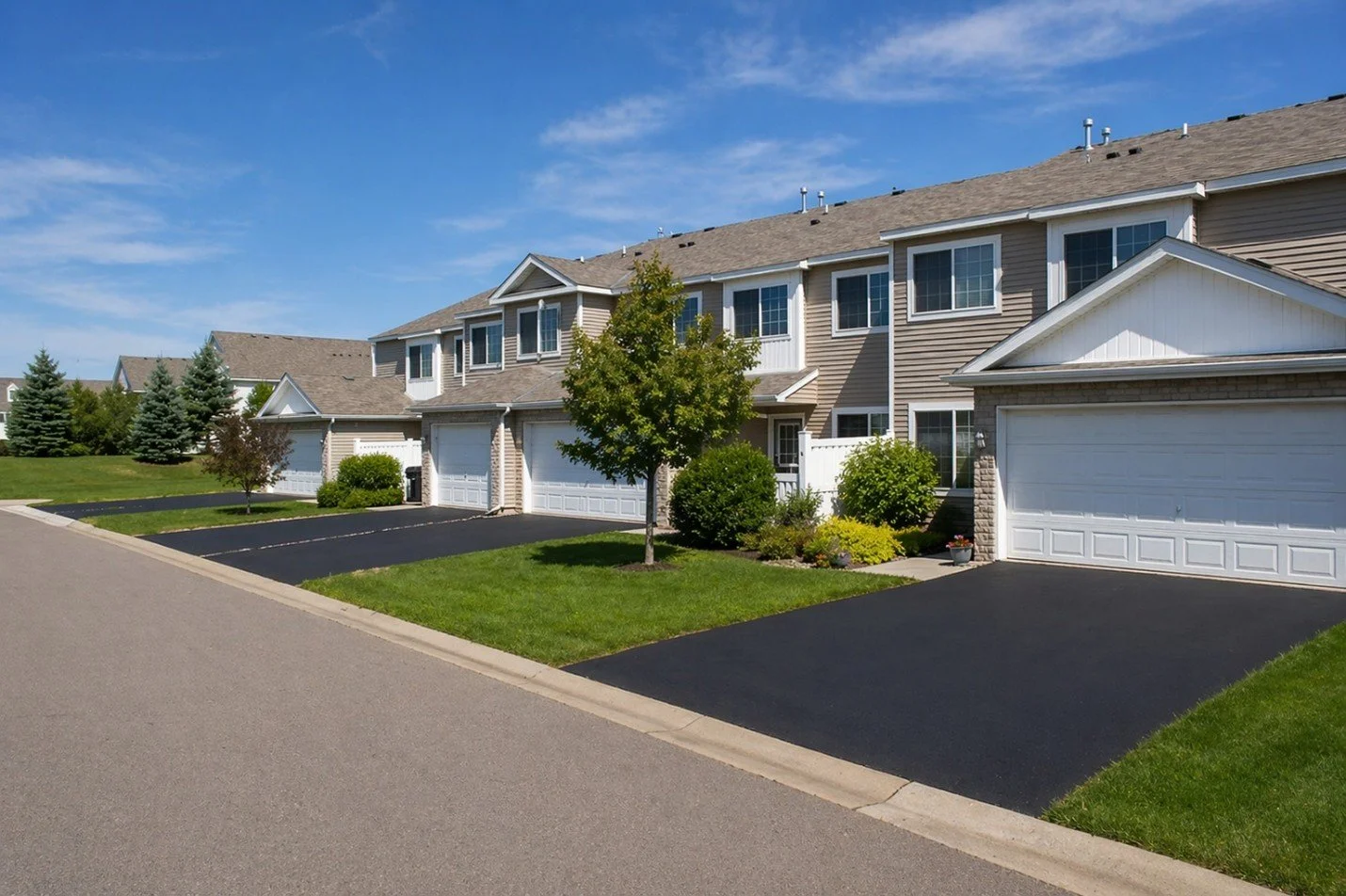
A driveway takes more stress than most people notice. Sun bakes it, rain soaks it, and cars press the same spots day after day. Over time, that wear shows up as small cracks, dull color, and rough edges. The good news is that most damage starts small, and simple care can slow it down.
This guide shares clear, practical steps for the maintenance of asphalt driveways, written for regular homeowners who want a longer-lasting surface without overthinking every detail. A steady routine beats last-minute fixes, almost every time.
Why Asphalt Driveways Wear Out So Fast
Asphalt is flexible, but it is not invincible. Heat makes it soften a bit, cold makes it tighten, and that constant move creates stress. Water then finds tiny openings and works its way down, weakening the base. If the base gets soft, the asphalt above it starts to bend and break.
Common causes of early wear include:
● Standing water near edges or low spots
● Heavy vehicles parked in the same place often
● Unsealed cracks that keep widening after each season
● Harsh tools, like metal shovels, scrape the surface
If you know what is causing the wear, your fixes become more targeted and cost-aware.
A Simple Inspection Habit That Prevents Bigger Repairs
You do not need a professional eye to spot early trouble. A quick walk-around helps you catch issues while they are still small and cheaper to handle. Try to check the driveway every few weeks and after a heavy storm.
Look for these signs:
● Hairline cracks that look like thin threads
● Cracks that connect into a web pattern
● Soft spots that feel slightly “spongy” underfoot
● Edges that are crumbling or breaking away
● Areas where water sits for more than a few hours
Write down where you see changes. A short note on your phone is enough, and it helps you track if something is getting worse.
Cleaning That Helps Instead of Hurting
Dirt and grit act like sandpaper under tires, and oil can soften asphalt over time. Cleaning is not only for looks. It supports the maintenance of asphalt driveways by keeping damaging materials from sitting on the surface.
A safe, simple routine:
● Sweep loose dirt, stones, and leaves once a week
● Rinse the driveway with a normal hose when needed
● Use a mild soap and a stiff broom for sticky spots
● Blot fresh oil drips quickly using absorbent material
Avoid harsh cleaners unless you know they are safe for asphalt. Also, avoid using metal scrapers that can cut into the surface and start new weak points.
Water Control: The Quiet Factor That Matters Most
Water is one of the biggest reasons asphalt fails early. Even strong asphalt can break when the base underneath is repeatedly soaked. The goal is simple: help water move away from the driveway, not sit on it.
Practical steps that make a difference:
● Keep nearby gutters working, so runoff does not pour onto the driveway
● Make sure downspouts point away from the asphalt area
● Trim grass along the edges so water does not get trapped
● Fill low spots that hold puddles, since puddles invite more serious damage
If you see pooling water often, treat that as a real issue, not a minor annoyance.
Everyday Use Habits That Reduce Wear
Daily habits can either protect your driveway or shorten its life. Most people never connect parking patterns to cracking, but the link is real.
Try these changes:
● Rotate where you park so tires do not press the same spots
● Do not turn the steering wheel while the car is standing still
● Keep kickstands, jacks, and sharp supports off the asphalt
● Move heavy bins carefully, since hard edges can gouge the surface
● Watch the edges, because they are weaker than the center lane
These are small habits, but they stack up over the years.
Crack Sealing: Timing Is More Important Than People Think
All asphalt eventually cracks. What matters is how soon you respond. Sealing a crack early blocks water, slows spreading, and protects the base. Waiting often turns a small line into a repair job that costs more and takes longer.
Use this general approach:
● Seal small cracks before they widen and collect debris
● Clean cracks before filling so the material bonds better
● Pay extra attention to cracks near the edges and near drainage paths
Jet-Black uses premium hot rubber crackfiller as part of its crack sealing work. That detail matters because crackfiller quality affects how well the repair flexes with temperature changes. Still, even with good material, early action is the main win.
Sealcoating: What It Does and When It Makes Sense
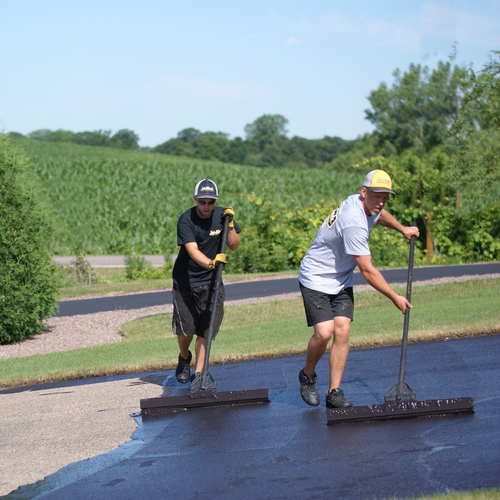
Sealcoating adds a protective layer over asphalt. It can reduce surface wear, slow water entry, and restore a darker finish. It does not fix structural issues, and it will not correct deep base problems. Think of it as protection, not rescue.
Good sealcoating planning usually includes:
● Repairing cracks first, so you do not seal problems under a coating
● Choosing a time with stable weather, so it cures properly
● Keeping cars off the surface until it is fully set
There is a wide range of sealant quality on the market, and budget products do not last the same way. Jet-Black notes it uses industrial-grade sealers, which is one reason people schedule sealcoating as part of a long-term care plan rather than a quick cosmetic job.
Patchwork and Repairs: Knowing When It Is Beyond Small Fixes
Sometimes the damage is not just surface-level. If the driveway has potholes, sinking areas, or broken edges that keep crumbling, patchwork or hot asphalt repairs may be needed. This is the point where “just fill it” stops working.
Signs you may need more than crack filling:
● A spot that sinks again after you fill it once
● Potholes that return in the same area
● Wide cracks with missing chunks of asphalt
● Broken edges that spread each season
Jet-Black handles patchwork and more substantial hot asphalt repairs when the problem goes beyond sealcoating and crack sealing. That kind of repair aims to restore strength, not just appearance.
Conclusion
A long-lasting driveway is usually the result of steady care, not one big fix. Keep it clean, keep water moving away, and treat cracks early before they spread. When sealcoating is timed well, it supports surface protection, but it works best after repairs are done right.
If the driveway shows potholes, sinking, or repeated breakups, patchwork may be the smarter step. Most of all, stick to a simple routine. The maintenance of asphalt driveways is not complicated, but it does reward consistency and attention.